Intermittent fasting is everywhere—on YouTube, in fitness apps, on doctor podcasts, and even in family WhatsApp groups. But most people still don’t really understand it. They hear “fasting” and assume it’s just skipping meals to lose weight.
The truth is: intermittent fasting can be helpful, but it can also backfire if done wrong.
So what is intermittent fasting exactly? Is it safe? Does it actually burn fat? Why do some people feel amazing while others get headaches, mood swings, or stomach problems?
In this guide, you’ll learn what is intermittent fasting and how does it work, the real intermittent fasting benefits, the lesser-discussed intermittent fasting side effects, and how to start in a smart, beginner-friendly way.
Table of Contents
What Is Intermittent Fasting? (Simple Definition)
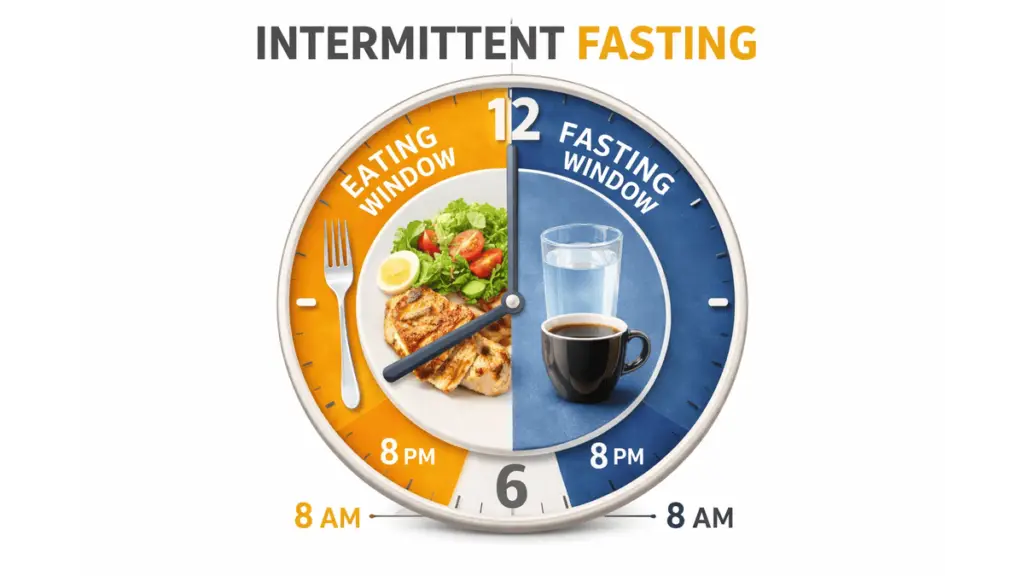
Intermittent fasting (IF) is an eating pattern where you alternate between:
- Eating windows (when you eat your meals), and
- Fasting windows (when you consume little to no calories)
Unlike traditional diets, it doesn’t focus on what you eat as much as when you eat.
So when people ask what is intermittent fasting, the simplest answer is:
It’s a structured schedule of eating and fasting that helps your body use stored energy more efficiently.
Intermittent fasting is also sometimes called:
- time-restricted eating
- fasting schedule
- fasting window and eating window routine
What Is Intermittent Fasting and How Does It Work?
To understand what is intermittent fasting and how does it work, think of your body like a hybrid car that runs on two fuels:
- Sugar (glucose) from recent meals
- Stored fat from your body’s reserves
When you eat often (breakfast-snacks-lunch-snacks-dinner), your body mostly burns glucose. But during fasting, after a number of hours, the body starts shifting toward fat burning.
Here’s what happens during fasting (simplified):
- 0–4 hours: digestion is active
- 4–12 hours: blood sugar starts dropping; body uses stored glucose
- 12–16 hours: insulin drops significantly; fat burning increases
- 16+ hours: the body may increase fat use and cellular repair mechanisms
This doesn’t mean longer fasting is always better. It means fasting can change how your body manages energy.
For deeper medical background, you can read Harvard’s overview of intermittent fasting here:
Harvard Health’s intermittent fasting guide
Common Types of Intermittent Fasting (Most Popular Schedules)
There are many fasting methods, but beginners should stick to the simplest ones.
1) 12:12 Method (Best for beginners)
- Fast 12 hours, eat within 12 hours
Example: Eat 8 AM to 8 PM
2) 14:10 Method
- Fast 14 hours, eat in 10 hours
Example: Eat 10 AM to 8 PM
3) 16:8 Method (Most popular)
- Fast 16 hours, eat within 8 hours
Example: Eat 12 PM to 8 PM
4) 18:6 Method (Advanced)
More strict, harder for beginners.
5) OMAD (One Meal A Day)
Very restrictive; not recommended for most beginners.
6) 5:2 Diet
- Eat normally 5 days a week
- Eat very low calories 2 days a week
Intermittent Fasting Benefits (What Actually Improves)
Let’s talk about the biggest intermittent fasting benefits—and what’s hype vs reality.
1) Weight loss (without counting every calorie)
Many people lose weight because fasting reduces:
- mindless snacking
- late-night eating
- total calorie intake
But remember: IF is not magic. It works best when you still eat balanced meals.
2) Better insulin sensitivity
One of the top researched intermittent fasting benefits is its effect on insulin. Fasting can help lower insulin levels temporarily and improve how the body handles blood sugar.
The NIH has a detailed overview of fasting and metabolic health:
NIH study on intermittent fasting and metabolic effects
3) Improved appetite control (after adaptation)
In the first week, hunger can feel intense. But after a few weeks, many people report:
- fewer cravings
- more stable appetite
- less emotional eating
4) Improved energy and mental focus
This doesn’t happen for everyone, but many people experience:
- less post-meal sleepiness
- clearer thinking
- improved productivity
5) Potential heart health benefits
Some research suggests improvements in:
- blood pressure
- LDL cholesterol
- inflammation markers
But it depends heavily on food quality. Fasting + junk food is not a health plan.
6) Autophagy (the most misunderstood benefit)
Autophagy is the body’s cell-cleaning process. Fasting may support it, but:
- It’s not a “detox superpower”
- You can’t measure it easily
- It’s not the #1 reason most people should start fasting
Intermittent Fasting Side Effects Nobody Talks About
This is the part most influencers skip. Intermittent fasting has real downsides, especially early on.
Here are the most common intermittent fasting side effects:
1) Headaches (especially week 1)
Usually caused by:
- dehydration
- caffeine withdrawal
- low electrolytes
Fix: Drink enough water + add a pinch of salt in water (if suitable for you).
2) Dizziness or weakness
This can happen if:
- your calorie intake becomes too low
- you’re fasting too long
- you’re exercising hard without fuel
3) Mood swings and irritability
Yes—fasting can make you angry.
This happens because:
- blood sugar dips
- stress hormones rise temporarily
4) Sleep problems
Some beginners experience:
- difficulty falling asleep
- waking up early
Especially if fasting increases stress or you under-eat.
5) Constipation
Less food = less digestive movement.
Fix: More fiber, vegetables, and hydration.
6) Overeating during the eating window
One of the most common failures in IF is:
“I fasted all day, now I can eat anything.”
That’s how people:
- gain weight
- feel bloated
- ruin digestion
7) Hormonal disruption in some people (especially women)
This is important.
Some women report:
- irregular cycles
- worsened PMS
- fatigue
That doesn’t mean women can’t fast—but the approach often needs to be gentler (12:12 or 14:10).
For women’s health and fasting safety, Cleveland Clinic provides practical guidance:
Cleveland Clinic intermittent fasting guide
Who Should Avoid Intermittent Fasting? (Very Important)
Intermittent fasting is not suitable for everyone.
You should avoid IF or take medical advice if you are:
- pregnant or breastfeeding
- under 18
- underweight
- have a history of eating disorders
- diabetic (especially on insulin)
- taking medications that require regular meals
If unsure, consult a healthcare professional. IF is a tool—not a rule.
How to Start Intermittent Fasting (Beginner-Friendly Plan)
If you’re new and asking what is intermittent fasting and how to start safely, follow this simple approach.
Step 1: Start with 12:12 for 7 days
Example:
- Finish dinner by 8 PM
- Eat breakfast at 8 AM
Step 2: Move to 14:10
After 1 week, try:
- Breakfast at 10 AM
- Dinner at 8 PM
Step 3: Try 16:8 (only if comfortable)
The standard schedule:
- Eat 12 PM – 8 PM
- Fast 8 PM – 12 PM
What you can have during fasting:
- Water
- Black coffee
- Plain tea (no sugar)
- Electrolytes (no calories)
What to avoid during fasting:
- Sugar drinks
- Milk coffee
- Juice
- Snacks (even “small”)
What Should You Eat During Intermittent Fasting?
Intermittent fasting doesn’t work well if you eat low-quality food.
During your eating window, prioritize:
Best foods for IF:
- Protein: eggs, chicken, fish, paneer, tofu, dal
- Fiber: veggies, fruits, oats
- Healthy fats: nuts, olive oil, ghee (in limits)
- Whole carbs: rice, roti, quinoa, sweet potato
Simple meal formula:
Protein + fiber + healthy fat
Example meals:
- Dal + rice + salad
- Omelette + veggies + roti
- Paneer/tofu bowl + curd + fruit
Common Mistakes That Ruin Results
Even with great effort, people fail because of these mistakes:
1) Fasting too long too soon
Jumping into OMAD can cause:
- fatigue
- overeating
- poor adherence
2) Eating junk in the eating window
Fasting doesn’t cancel out:
- sugary drinks
- fried snacks
- ultra-processed foods
3) Not drinking enough water
Dehydration causes many fasting “side effects.”
4) Not eating enough protein
Low protein = hunger + muscle loss risk.
5) Treating fasting like punishment
IF should feel sustainable—not miserable.
FAQs About Intermittent Fasting
1) What is intermittent fasting and how does it work for weight loss?
It works mainly by reducing overall calories and lowering insulin levels during fasting, which supports fat burning.
2) Can I do intermittent fasting every day?
Yes, many people follow 14:10 or 16:8 daily. But if you feel weak, do it 4–5 days/week instead.
3) What breaks a fast?
Anything with calories can break a fast, especially:
sugar
milk/cream
snacks
fruit juice
4) Is intermittent fasting safe long-term?
For healthy adults, moderate fasting schedules are generally safe. But long-term success depends on nutrition quality and consistency.
5) What are the most common intermittent fasting side effects?
Headache, fatigue, mood swings, constipation, and overeating after fasting are the most common.
Conclusion: Should You Try Intermittent Fasting?
Now you clearly understand what is intermittent fasting, what is intermittent fasting and how does it work, and the real intermittent fasting benefits along with the not-so-talked-about intermittent fasting side effects.
Intermittent fasting can be an excellent lifestyle tool if you:
- start slowly (12:12 → 14:10 → 16:8)
- eat high-protein balanced meals
- avoid overeating in the eating window
- stay hydrated
If you want a simple starting point: Try 14:10 for 2 weeks, track your energy and sleep, and adjust.