Managing money sounds simple until real life starts happening. Bills pile up, unexpected expenses show up out of nowhere, and suddenly saving “later” becomes a habit. That’s exactly why understanding the importance of financial planning matters more than most people realize.
Financial planning isn’t only for wealthy people or finance experts. It’s for anyone who wants less stress, better control over money, and a more secure future. Whether you’re a student, working professional, freelancer, or someone supporting a family, having a plan for your finances can completely change the way you handle life.
If you’ve already explored the basics of money management, this beginner-friendly guide on personal finance fundamentals is a great place to start.
Table of Contents
Why the Importance of Financial Planning Can’t Be Ignored
Let’s be honest—most people don’t think about financial planning until something goes wrong. A medical emergency, job loss, or debt problem usually becomes the wake-up call.
Good financial planning helps you prepare before problems happen.
At its core, financial planning means creating a strategy for:
- Saving money
- Managing expenses
- Reducing debt
- Investing wisely
- Preparing for future goals
It gives your money a direction instead of letting it disappear every month without explanation.
According to the Consumer Financial Protection Bureau, having a financial plan can improve financial stability and reduce money-related stress.
The Real Benefits of Financial Planning
The benefits of financial planning go far beyond just saving money in a bank account.
1. Helps You Control Spending
Ever checked your account balance and wondered where your salary went?
Financial planning helps track spending habits and identify unnecessary expenses. Even small changes—like reducing food delivery orders or unused subscriptions—can save thousands yearly.
A monthly budget is often the first step in effective personal financial planning.
2. Builds an Emergency Safety Net
Life is unpredictable. Cars break down. Phones stop working. Medical expenses happen.
Without savings, people often rely on credit cards or loans during emergencies. That creates even more financial pressure.
Experts at FDIC financial education resources recommend building an emergency fund covering at least 3–6 months of expenses.
Even starting with a small amount each month makes a difference.
3. Helps You Reach Financial Goals Faster
Want to buy a house? Start a business? Travel more? Retire early?
Goals become realistic when there’s a financial roadmap behind them.
For example:
- Saving ₹5,000 monthly for five years creates a strong down payment fund.
- Investing early gives compound growth more time to work.
- Tracking progress keeps motivation high.
That’s one reason the importance of financial planning keeps growing, especially among younger professionals.
4. Reduces Financial Stress
Money problems affect sleep, relationships, and mental health more than people admit.
When you know:
- how much you earn,
- where your money goes,
- and what your backup plan is,
you naturally feel more confident and less anxious.
A financial plan won’t remove every problem, but it helps you handle problems without panic.
Common Financial Planning Mistakes People Make
Here’s what most people don’t realize: earning more money doesn’t automatically fix bad financial habits.
Some common mistakes include:
- Living paycheck to paycheck despite good income
- Ignoring savings completely
- Taking unnecessary loans
- Spending before budgeting
- Delaying investments for “later”
Many beginners also confuse budgeting with restriction. In reality, budgeting simply tells your money where to go.
If you’re learning about smarter money habits, you may also enjoy reading about investing strategies and wealth-building concepts on Omniexis Finance Section.
Practical Personal Financial Planning Tips
You don’t need complicated spreadsheets to start. Simple habits work surprisingly well.
Start With These Steps
1. Track Your Expenses
Use a notes app, spreadsheet, or budgeting app for one month. Most people underestimate how much they spend.
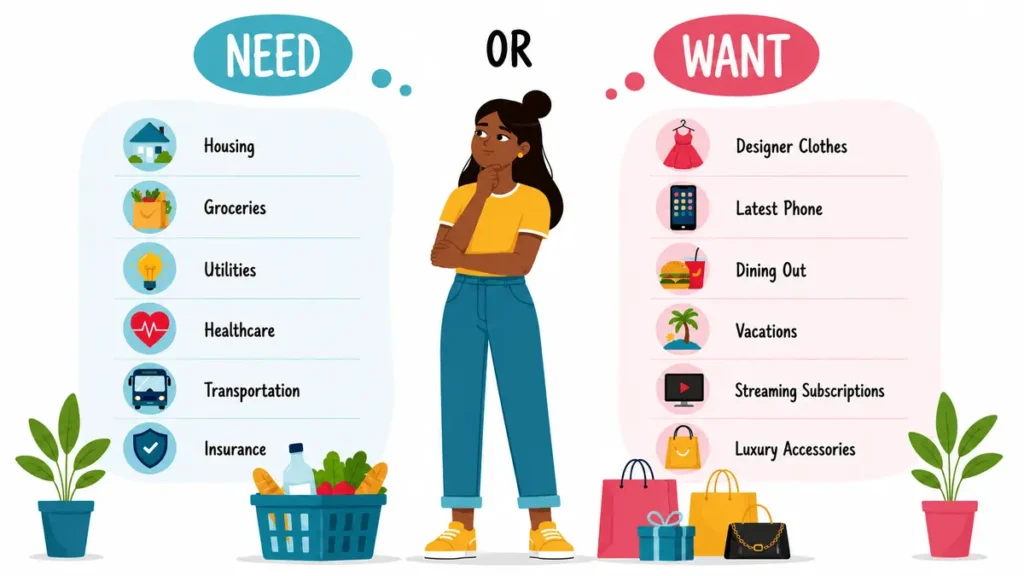
2. Follow the 50/30/20 Rule
A popular budgeting method:
- 50% needs
- 30% wants
- 20% savings/investments
3. Build an Emergency Fund First
Before investing aggressively, create a safety cushion.
4. Avoid High-Interest Debt
Credit card debt grows fast and destroys financial progress.
5. Start Investing Early
Even small investments benefit from compounding over time.
The U.S. Securities and Exchange Commission investor guide explains beginner investing concepts in a simple way.
Financial Planning at Different Life Stages
The meaning of personal financial planning changes depending on where you are in life.
Students
- Learn budgeting
- Avoid unnecessary debt
- Start basic savings habits
Working Professionals
- Build emergency funds
- Invest for long-term goals
- Manage taxes and insurance
Families
- Plan education expenses
- Increase insurance coverage
- Create retirement plans
Older Adults
- Focus on wealth protection
- Reduce risky investments
- Plan retirement income carefully
FAQs About Financial Planning
What is financial planning in simple words?
Financial planning means managing your money wisely to achieve short-term and long-term financial goals.
Why is financial planning important?
The importance of financial planning lies in helping people save money, reduce stress, avoid debt, and prepare for future expenses.
When should I start financial planning?
As early as possible. Even small savings and investments become powerful over time.
Is financial planning only for rich people?
No. Anyone earning or spending money can benefit from financial planning.
What’s the difference between budgeting and financial planning?
Budgeting focuses on managing monthly expenses, while financial planning covers savings, investing, insurance, retirement, and long-term goals.
Conclusion
The importance of financial planning isn’t really about becoming rich overnight. It’s about creating stability, freedom, and peace of mind.
A good financial plan helps you prepare for emergencies, achieve goals faster, and make smarter decisions with your money. And honestly, the earlier you start, the easier life becomes later.
You don’t need a perfect plan on day one. Start small. Track your expenses, save consistently, and improve step by step. Over time, those small financial decisions can completely change your future.