Let’s be honest—most of us weren’t taught how to manage money properly.
You probably learned algebra in school, but nobody explained credit scores, budgeting, taxes, or why some people always seem financially stressed even with decent salaries. That’s where personal finance comes in.
If you’ve ever wondered why your paycheck disappears so quickly, how people save for houses, or what investing actually means, you’re already thinking about personal finance without realizing it.
At its core, personal finance is simply the way you manage your money. That includes earning, spending, saving, investing, and planning for the future. It sounds straightforward, but small financial decisions made consistently over time can completely change your life.
The good news? You don’t need to be rich, a finance graduate, or a stock market expert to get better with money. You just need a few solid habits and a basic understanding of how money works.
Table of Contents
What Is Personal Finance?
Personal finance refers to how individuals manage their financial activities, including:
- Budgeting
- Saving money
- Investing
- Managing debt
- Retirement planning
- Insurance
- Tax planning
In simple words, it’s the process of making smart decisions with your money so you can live comfortably today while preparing for the future.
Think of personal finance like fitness.
You don’t become healthy after one workout, and you don’t become financially secure after one paycheck. What matters is consistency over time.
Someone earning ₹40,000 per month with good financial habits may end up wealthier than someone earning ₹2 lakh but spending recklessly.
That’s the power of personal finance.
Why Personal Finance Matters
Here’s what most people don’t realize: money problems usually create stress long before they create actual financial disasters.
Living paycheck to paycheck, carrying debt, or having zero emergency savings can quietly affect your mental health, relationships, and long-term goals.
Good personal finance helps you:
- Reduce financial stress
- Build savings for emergencies
- Avoid unnecessary debt
- Achieve life goals faster
- Prepare for retirement
- Gain financial independence
According to the Consumer Financial Protection Bureau, even basic budgeting and saving habits can significantly improve financial stability over time.
Money may not buy happiness, but financial security definitely buys peace of mind.
The 5 Main Areas of Personal Finance
1. Income
Everything starts with income.
Your income is the money you earn from sources like:
- Salary or wages
- Freelancing
- Business income
- Investments
- Side hustles
- Rental income
The goal isn’t only to earn more money—it’s also to manage it wisely.
A lot of beginners focus entirely on increasing income while ignoring spending habits. That’s why some high earners still struggle financially.
Practical Tip
Try tracking every source of income for one month. Many people underestimate how much irregular income or small side earnings add up over time.
2. Budgeting
Budgeting is the foundation of personal finance.
A budget simply tells your money where to go instead of wondering where it went.
And no, budgeting doesn’t mean you can never enjoy life. It just means spending intentionally.
A Simple Beginner Budget
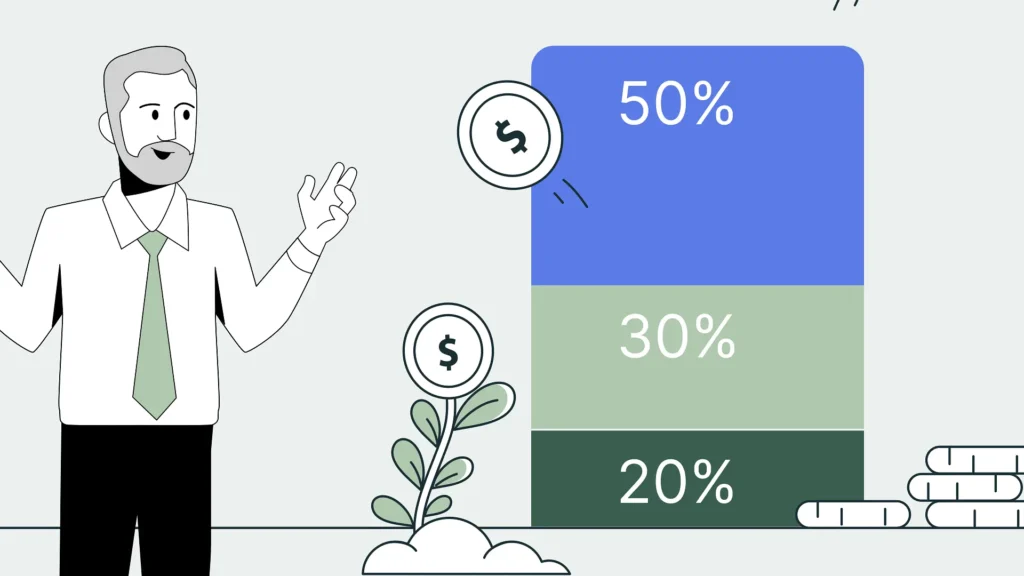
One popular method is the 50/30/20 rule:
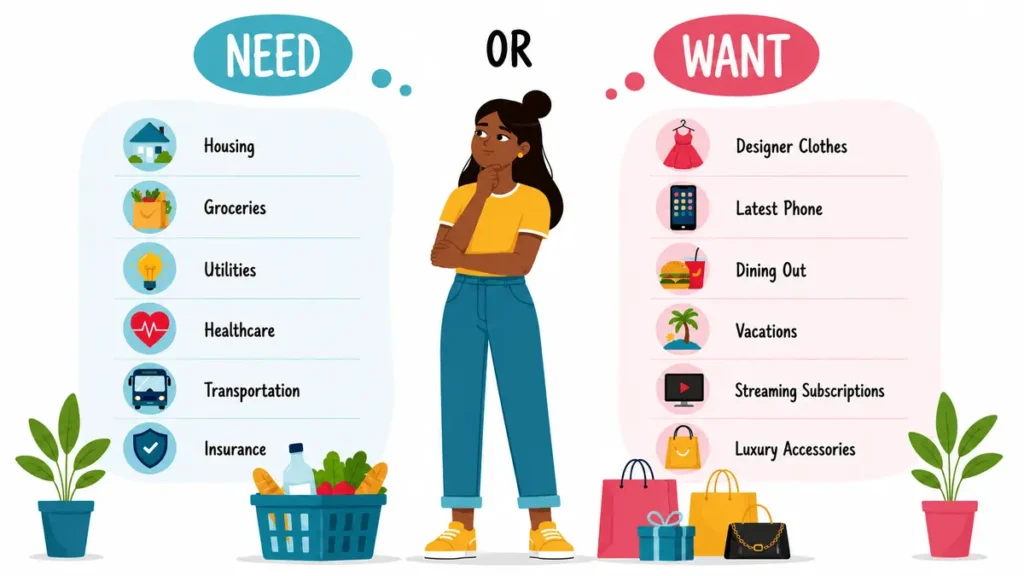
- 50% for needs (rent, groceries, bills)
- 30% for wants (entertainment, eating out)
- 20% for savings and investments
For example, if you earn ₹50,000 monthly:
- ₹25,000 → necessities
- ₹15,000 → lifestyle spending
- ₹10,000 → savings/investing
This approach keeps spending balanced without feeling restrictive.
The U.S. Securities and Exchange Commission’s investor education portal also recommends budgeting as a core financial habit for beginners.
Common Budgeting Mistakes
Ignoring Small Expenses
Daily coffee, food delivery, and subscriptions may seem harmless individually, but together they can drain thousands every month.
Making Unrealistic Budgets
People often create strict budgets they can’t maintain. If your budget feels miserable, you probably won’t stick with it.
Not Tracking Spending
You can’t improve what you don’t track.
Even a simple notes app can help.
3. Saving Money
Saving gives you financial breathing room.
Without savings, even a small emergency—like a medical bill or car repair—can turn into debt.
Start With an Emergency Fund
An emergency fund is money set aside for unexpected expenses.
Most experts recommend saving:
- 3–6 months of living expenses
If that sounds overwhelming, start smaller.
Even ₹5,000 or ₹10,000 saved consistently is better than nothing.
Easy Ways to Save More
Automate Savings
Set automatic transfers to a savings account after every paycheck.
Reduce Lifestyle Inflation
When income increases, people often upgrade everything immediately. Try increasing savings before increasing spending.
Use Separate Accounts
Keeping savings separate from spending money reduces temptation.
4. Managing Debt
Debt itself isn’t always bad.
A home loan or education loan can sometimes help improve your future earning potential. The real danger comes from high-interest debt, especially credit cards.
Good Debt vs Bad Debt
| Good Debt | Bad Debt |
|---|---|
| Education loan | Credit card debt |
| Business loan | Impulse purchases |
| Home loan | Buy-now-pay-later misuse |
How to Pay Off Debt Faster
Debt Snowball Method
Pay off the smallest debt first while making minimum payments on others.
This creates psychological momentum.
Debt Avalanche Method
Focus on the highest-interest debt first to save more money long term.
Important Reminder
Missing loan payments regularly can damage your credit score, which affects future borrowing ability.
You can learn more about credit management through Experian’s official credit education resources.
5. Investing
Saving protects money.
Investing helps grow it.
That’s one of the biggest differences beginners need to understand.
If your money only sits in a regular savings account, inflation slowly reduces its purchasing power over time.
Investing allows your money to potentially grow faster.
Common Investment Options
Stocks
Buying shares of companies.
Higher risk, but potentially higher returns.
Mutual Funds
Professionally managed investment funds that pool money from many investors.
Great for beginners.
ETFs (Exchange-Traded Funds)
Low-cost funds traded like stocks.
Fixed Deposits and Bonds
Safer investments with lower returns.
The Power of Compound Growth
Here’s a simple example:
If you invest ₹5,000 monthly with average annual growth of 12%, you could potentially build a substantial amount over decades—even without becoming a high earner.
Time matters more than timing.
Starting early is one of the biggest advantages in investing.
Personal Finance and Financial Goals
Money management becomes easier when tied to real goals.
Without goals, saving often feels pointless.
Short-Term Goals
- Buying a phone
- Vacation fund
- Emergency savings
Medium-Term Goals
- Buying a car
- Paying off debt
- Starting a business
Long-Term Goals
- Retirement
- Buying a house
- Financial independence
Clear goals help you stay motivated during difficult financial periods.
Common Personal Finance Mistakes Beginners Make
Living Beyond Your Means
Social media makes overspending feel normal.
People often finance lifestyles they can’t actually afford.
Ignoring Emergency Savings
Many beginners start investing aggressively before building basic savings.
That can backfire quickly during emergencies.
Depending Entirely on One Income Source
One job is good.
Multiple income streams are safer.
Waiting Too Long to Invest
A lot of people think investing is only for wealthy individuals.
In reality, small consistent investments matter more than large occasional ones.
Not Learning About Money
Financial literacy is one of the highest-return skills you can build.
Even spending 15 minutes daily learning about money can make a huge difference over time.
Simple Personal Finance Tips for Beginners
If you’re just getting started, keep things simple.
You don’t need complicated spreadsheets or advanced investing strategies immediately.
Start Tracking Expenses
Awareness changes behavior.
Track spending for one month without judgment.
Follow a Basic Budget
Use whatever system feels realistic and sustainable.
Build an Emergency Fund First
Before aggressive investing, create financial stability.
Avoid High-Interest Debt
Credit card interest can destroy financial progress surprisingly fast.
Invest Consistently
Small monthly investments matter more than trying to “get rich quick.”
Learn Continuously
Read books, listen to finance podcasts, and follow trusted financial resources.
The Financial Literacy and Education Commission offers free educational resources for improving money management skills.
How Personal Finance Improves Your Life
People often think personal finance is only about becoming rich.
It’s actually more about creating freedom.
Good money management can help you:
- Quit a toxic job
- Handle emergencies calmly
- Sleep better at night
- Support your family
- Travel without guilt
- Retire comfortably
Financial stability creates options.
And options create freedom.
That’s why learning personal finance early matters so much.
FAQs About Personal Finance
What is personal finance in simple words?
Personal finance is the process of managing your money through budgeting, saving, investing, and controlling expenses.
Why is personal finance important?
It helps reduce financial stress, build savings, avoid debt, and prepare for future goals like retirement or buying a home.
How can beginners start personal finance?
Start by:
Tracking expenses
Creating a simple budget
Building emergency savings
Paying off high-interest debt
Learning basic investing
What are the main areas of personal finance?
The main areas include:
Income
Budgeting
Saving
Investing
Debt management
Financial planning
Is investing necessary in personal finance?
Yes. Saving alone may not beat inflation over time. Investing helps grow wealth and build long-term financial security.
Conclusion
So, what is personal finance?
It’s not about being perfect with money. It’s about becoming more intentional with it.
You don’t need to master investing overnight or create a flawless budget tomorrow morning. Even small improvements—tracking expenses, saving regularly, or learning about investing—can completely change your financial future over time.
The important thing is starting.
Because once you understand how personal finance works, money stops feeling confusing and starts becoming a tool you can actually control.
And honestly, that feeling is worth a lot.