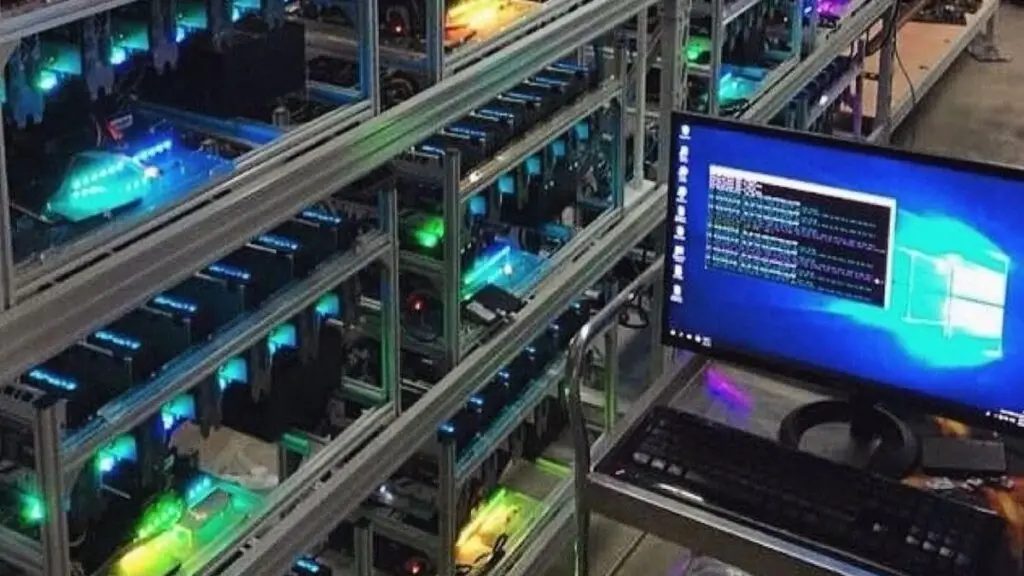
Let’s be honest—cryptocurrency mining sounds way more complicated than it needs to.
Most beginners imagine huge server rooms, hackers typing at lightning speed, and electricity bills that could bankrupt a small country. And yes… some of those images aren’t completely wrong. But here’s what most people don’t realize: crypto mining in 2026 is more accessible, more competitive, and more structured than ever—and it’s not just for “tech geniuses.”
If you’ve ever wondered:
- What is crypto mining actually doing?
- Why do miners get paid?
- Can I start cryptocurrency mining at home?
- Is it still profitable in 2026?
You’re in the right place.
In this guide, I’ll break everything down in plain English—no confusing buzzwords, no robotic explanations—just practical steps and real-world context.
Table of Contents
What Is Cryptocurrency Mining (and Why It Exists)?
So first, what is cryptocurrency mining?
At its core, cryptocurrency mining is the process of using computers to validate transactions on a blockchain network and secure that network. In return, the network rewards miners with cryptocurrency.
Think of it like this:
The blockchain is a public digital ledger. Mining is the system that keeps the ledger accurate and prevents cheating.
Without mining (or a similar validation system), crypto networks would be far easier to attack, manipulate, or double-spend.
What Is Crypto Mining in Simple Words?
Here’s the beginner-friendly version:
People send crypto transactions (like Bitcoin).
Those transactions need to be verified as real.
Miners compete to solve a complex puzzle.
The first miner to solve it earns rewards and adds a new “block” to the blockchain.
That’s why people say miners “maintain the network.”
How Cryptocurrency Mining Works (Step-by-Step)
To understand crypto mining, you need to understand the basic blockchain workflow.
1) Transactions are created
Someone sends Bitcoin (or another mineable coin). That transaction enters a pool of unconfirmed transactions.
2) Transactions are bundled into a block
Miners collect these transactions and pack them into a block.
3) Miners compete to solve a problem (Proof of Work)
This is where the magic happens.
Miners try to find the correct value (called a hash) that meets the network’s difficulty requirements.
This requires massive computation. Think millions to trillions of guesses.
4) New block is added, miner gets rewarded
The first miner to solve it:
- adds the block to the blockchain
- earns the block reward + transaction fees
This is how mining creates new coins in certain networks.
For Bitcoin, you can explore how Proof of Work works from trusted sources like the Bitcoin Developer Documentation.
Why Do People Mine Crypto?
Let’s not pretend anyone mines for “fun.”
Miners mine for profit, but there’s also a bigger purpose.
Benefits of cryptocurrency mining
- Earn crypto rewards
- Support decentralization
- Secure the blockchain
- Provide transaction verification
And for some people, it’s also about independence—earning without relying on a job, business clients, or a boss.
Types of Crypto Mining in 2026
Mining isn’t one-size-fits-all.
In 2026, people mine crypto in several common ways, depending on budget, location, and energy costs.
1) CPU Mining (mostly outdated)
Mining using your normal computer processor.
- ✅ Easy to start
- ❌ Very low profit
- ❌ Mostly not worth it anymore
2) GPU Mining (still popular for some coins)
GPU mining uses graphics cards (like NVIDIA/AMD). It’s popular for coins that are designed to resist ASICs.
- ✅ Flexible (mine different coins)
- ✅ Easier resale value
- ❌ Can be power hungry
- ❌ GPU costs fluctuate
3) ASIC Mining (best for Bitcoin)
ASIC = Application-Specific Integrated Circuit.
This is specialized hardware built only to mine.
- ✅ Best efficiency
- ✅ Used heavily in Bitcoin mining
- ❌ Expensive upfront
- ❌ Loud + hot
4) Cloud Mining (risky but convenient)
Instead of buying hardware, you rent mining power from a company.
- ✅ No noise, no setup
- ✅ No maintenance
- ❌ Many scams exist
- ❌ Lower profits due to fees
If you’re going this route, be extremely cautious and research deeply.
What You Need to Start Cryptocurrency Mining in 2026
Now let’s get practical.
If you’re serious about learning how to start cryptocurrency mining, here’s what you’ll need.
1) Decide what coin you want to mine
Not all coins can be mined.
In fact, some major cryptocurrencies (like Ethereum) moved away from mining.
You can start by understanding what crypto is in general using this guide: What is Cryptocurrency?
2) Get the right mining hardware
This depends on your coin:
- For Bitcoin → ASIC miner
- For GPU-friendly coins → mining rig with GPUs
Beginner tip: Don’t buy equipment until you calculate electricity costs. More on that soon.
3) Reliable power and cooling
Mining produces heat—lots of it.
If you live in a hot climate (like many regions in India), cooling becomes a serious factor.
4) Mining software
Mining software connects your hardware to the blockchain or pool.
Examples (varies by coin):
- CGMiner (ASIC)
- BFGMiner
- NiceHash (user-friendly)
- PhoenixMiner (GPU setups)
5) Crypto wallet
You need a wallet to receive rewards.
- hardware wallet for better security
- software wallet for convenience
A good starting standard is using wallets recommended by the official project website.
Solo Mining vs Pool Mining: What’s Better in 2026?
This is one of the biggest beginner mistakes: trying to mine solo and expecting steady income.
Solo mining
You mine alone.
- ✅ Full rewards if you mine a block
- ❌ Very low chances (unless you’re huge)
Pool mining
You join a group of miners, and rewards are shared.
- ✅ More consistent payouts
- ✅ Best option for beginners
- ❌ Pool takes fees (usually small)
Real-world example:
Mining Bitcoin solo today is like trying to win a lottery where you buy 1 ticket per month. Pool mining is like splitting smaller prizes regularly.
Is Cryptocurrency Mining Profitable in 2026?
Here’s the truth nobody likes to say out loud:
Cryptocurrency mining can be profitable… but it’s not automatically profitable.
It depends mainly on:
Factors that affect profitability
- electricity cost (huge factor!)
- coin price
- network difficulty
- mining hardware efficiency
- pool fees
- cooling/maintenance costs
The easiest way to estimate profit
Use a mining calculator like:
These calculators help you estimate expected earnings based on current market conditions.
Mining Cost Breakdown (Budgeting Like a Pro)
If you want to approach this smartly, treat mining like a small business.
Typical costs
Upfront costs
- ASIC miner / GPU rig
- power supply units
- fans / cooling setup
- wiring, surge protection
Monthly costs
- electricity bill
- internet (small cost)
- maintenance & replacements
Example calculation (simple)
Let’s say your mining rig consumes 1000W (1kW).
If electricity is ₹8 per kWh:
1kW × 24 hours = 24 kWh per day
24 kWh × ₹8 = ₹192/day
Monthly = ₹5,760
That’s just electricity.
So if your monthly mining reward is worth ₹6,000… you’re basically working for free.
This is why profitable mining usually happens where electricity is cheap.
How to Start Cryptocurrency Mining (Beginner Step-by-Step)
Alright—let’s map it out clearly.
Step 1: Pick a mining method
- Low budget → GPU mining (or even test with NiceHash)
- Medium budget → build GPU rig
- High budget → ASIC mining (Bitcoin)
Step 2: Choose a coin to mine
Consider:
- profitability
- difficulty
- long-term potential
- hardware availability
Step 3: Buy hardware carefully
Avoid random sellers. Many people sell:
- overused GPUs
- repaired ASICs
- fake hashrate miners
Step 4: Set up wallet + exchange account
Wallet for storage, exchange for selling if needed.
Step 5: Install mining software
Follow official guides. Avoid unknown software.
Step 6: Join a mining pool
Beginner-friendly pools depend on the coin.
Step 7: Monitor, optimize, and manage risk
Track temperature, speed, and energy use.
Practical Tips to Mine Smarter in 2026
Here are a few “real miner” tips that can save you money.
Tip 1: Undervolt GPUs
Many beginners run GPUs at full voltage and waste power.
Undervolting:
- reduces heat
- reduces electricity
- improves efficiency
Tip 2: Don’t ignore noise
ASIC miners can be insanely loud (like vacuum cleaners running 24/7).
If you live with family or neighbors close by, plan for that.
Tip 3: Use proper ventilation
Heat buildup kills hardware.
Tip 4: Start small
Try mining for 2–4 weeks with a small setup before investing more.
Tip 5: Track tax/legal rules
In many countries, crypto income and mining rewards may be taxable.
For reliable guidance, check government tax portals such as: IRS digital assets guidance.
Common Crypto Mining Mistakes Beginners Make
I’ve seen these mistakes again and again.
❌ Mistake 1: Buying hardware without calculating electricity
This is the #1 reason people fail at mining.
❌ Mistake 2: Falling for cloud mining scams
If someone guarantees returns, run.
❌ Mistake 3: Mining on a laptop
This can damage your device due to heat.
❌ Mistake 4: Not securing your wallet
Mining rewards are real money. Protect them.
❌ Mistake 5: Thinking mining is passive income
Mining requires:
- monitoring
- maintenance
- optimization
- decision-making
Is Crypto Mining Safe?
Yes, mining itself is legal in many places—but it comes with risks.
Main risks
- scam mining software
- exchange hacks
- hardware damage
- power overload / fire hazard if wiring is bad
- volatile crypto prices
Safety reminder:
If you’re using a high-power ASIC miner, don’t use cheap extension cords. Use proper electrical setup. It’s not worth risking your home.
FAQs: Cryptocurrency Mining in 2026
1) What is crypto mining and why do miners earn rewards?
Crypto mining verifies transactions and secures the blockchain. Miners earn rewards because they provide computing power to keep the network running honestly.
2) Can beginners start cryptocurrency mining at home?
Yes, beginners can start at home using GPU rigs or entry-level miners, but electricity cost and cooling must be managed.
3) Is cryptocurrency mining still profitable in 2026?
It can be, but only with efficient hardware and low electricity costs. Profit depends heavily on market price and network difficulty.
4) Which crypto is best for beginners to mine?
Many beginners start with GPU-mineable coins or mining platforms that automatically choose profitable options, but it depends on your hardware.
5) Is cloud mining worth it?
Sometimes, but it’s risky. Many cloud mining services have hidden fees or scams. If you can’t verify the company properly, avoid it.
Conclusion: Should You Start Cryptocurrency Mining in 2026?
So, should you start cryptocurrency mining in 2026?
If you’re looking for a quick shortcut to wealth—no. Mining isn’t magic money.
But if you treat it like a real investment, calculate costs properly, and start with a smart setup, crypto mining can still be a valuable way to earn cryptocurrency and learn how blockchain actually works behind the scenes.
My honest suggestion? Start small, learn the process, and optimize before scaling up. And don’t forget—sometimes buying crypto directly can be more profitable than mining it (depending on your costs).